
How Solar Works
How solar actually turns sunlight into power for your home.
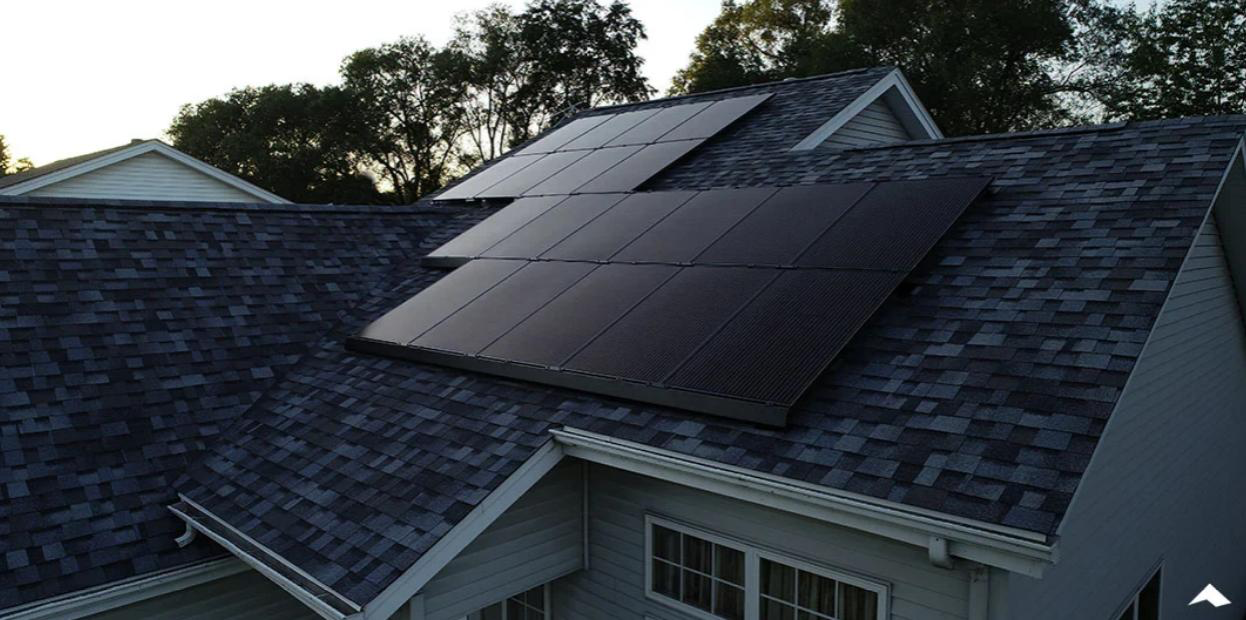
Solar panels turn daylight into electricity using silicon cells, and an inverter converts that power into the kind your home already runs on. Your appliances use the solar power first, and anything extra flows back to the grid.
A home solar system powers your home through 4 steps.
1. Solar Panels
The panels absorb the sunlight and turn it into direct current electricity (DC).
2. Inverter
The inverter takes the DC electricity and turns it into alternating current electricity (AC), the type your home runs on.
3. Solar Meter
The solar meter measures your current production and usage, in order to ensure the system is producing efficiently.
4. Utility Meter
The utility meter first feeds that electricity into the home to power anything currently being used, then excess electricity is stored in the grid through net metering (explained more in the next section, "Net Metering").
Net Metering
How your meter works with the grid
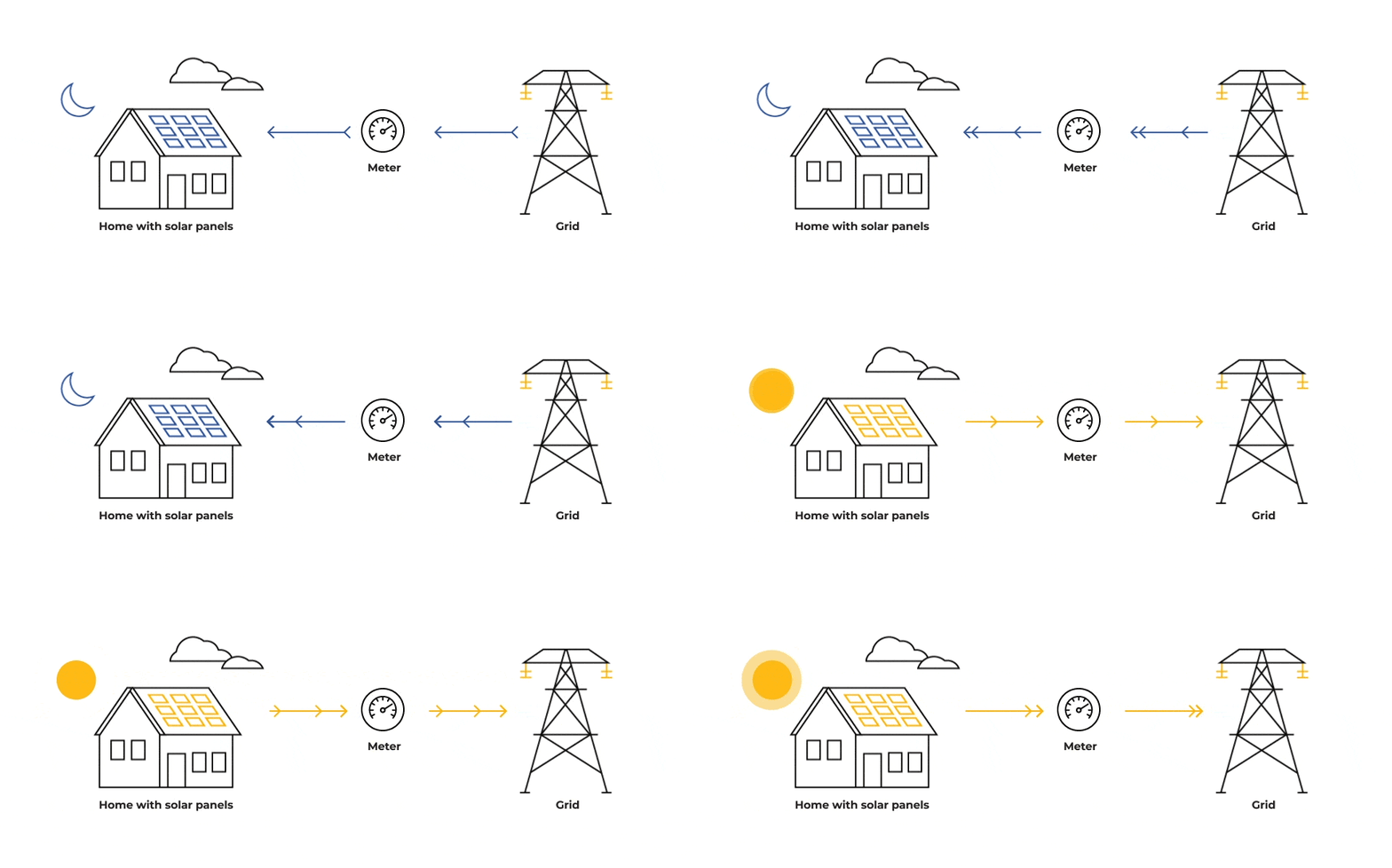
Net metering allows you to use the utility grid as a credited storage bank. Extra power you produce in the summer is sent into the electric grid and credits you for the power at a 1-1 ratio. At night and in the winter your system pulls that power back from the grid and claims those credits for you.
Your power is stored at a one-to-one ratio.
Under New York's net metering program, every kilowatt-hour your system exports to the grid earns you a credit for one kilowatt-hour you pull back later. It is credited at the same retail rate you'd otherwise pay. Send out 30 kWh on a Saturday in July, pull back 30 kWh on a Tuesday in January.
That matters enormously in this part of the state, because National Grid, NYSEG, and RG&E customers are paying some of the highest residential electricity rates in the country.
Your credit balance rolls forward month to month and resets on your account's anniversary date each year.
Buying the Power, Not the Equipment
How solar lease options work in WNY
With the solar lease option there is typically instant savings as there is no equipment purchase, no loan, and no money down. Instead of buying the equipment, the panels are installed at no cost and you only pay for your power, just at a much lower rate than the utility electric rates.
While the previous common ways to go solar were to buy the system cash or take out a loan, the solar lease option has become very popular in WNY recently.
One of our several partners (your lease provider) pays for the equipment, the design, the permits, and the installation. They take care of the hassle of ownership by owning and maintaining the system.
After installation and the solar panels are turned on, you buy the power the solar panels produce at a kWh rate lower than your current utility rates.